

Radon Remediation in Chicago, IL
Radon remediation services focus on reducing elevated radon levels inside residential properties, helping to create a safer indoor environment. These projects typically involve installing specialized venting systems and barriers designed to prevent radon gas from accumulating in basements, crawl spaces, and living areas. Homeowners often seek this service after radon testing indicates levels above recommended thresholds, aiming to lower health risks associated with long-term radon exposure.
Before requesting radon remediation, property owners usually want to understand the scope of work involved, including the type of mitigation system recommended and the expected impact on indoor air quality. It’s also common to inquire about the process for testing radon levels before and after remediation, as well as any maintenance requirements for the installed systems. Clear information about these aspects can help homeowners make informed decisions about improving indoor safety.
Many property owners in Chicago, IL look into Radon Remediation for repairs, replacements, upgrades, and appearance-related improvements.
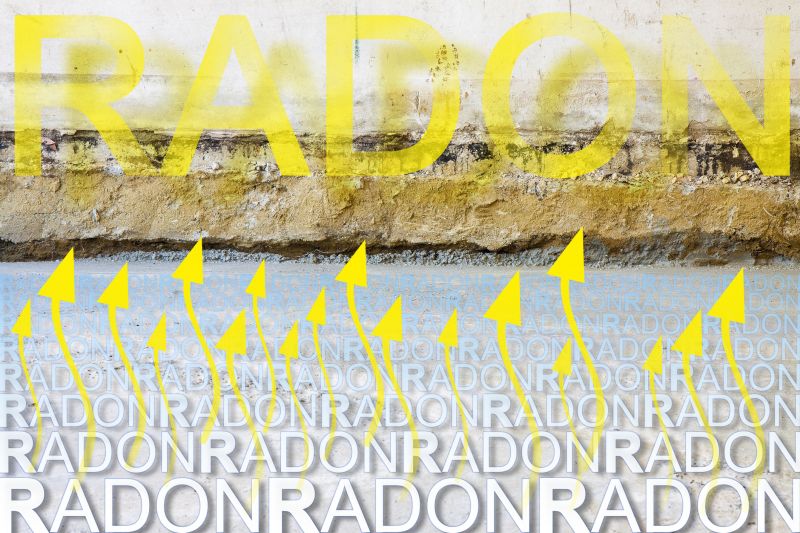
Understanding Radon Risks
Radon is a colorless, odorless gas that can accumulate indoors and pose health risks for homeowners in chicago.
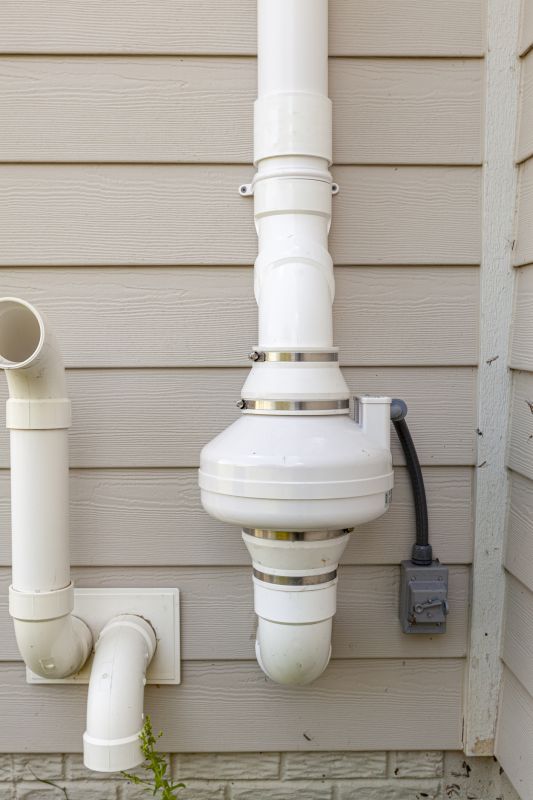
Remediation Techniques
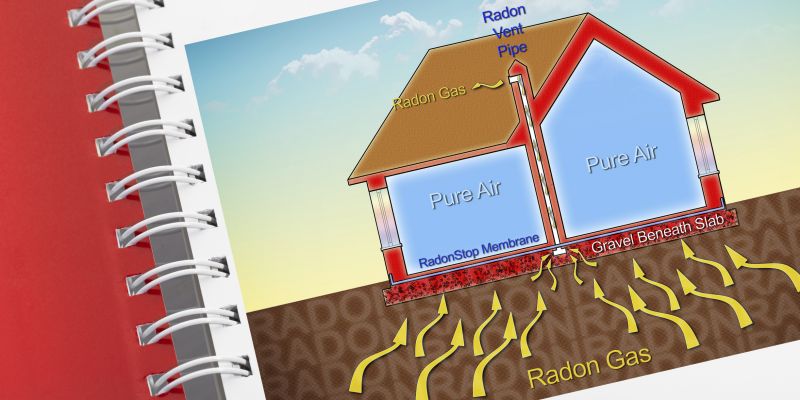
Effective radon mitigation involves installing venting systems and sealing entry points to reduce indoor radon levels.
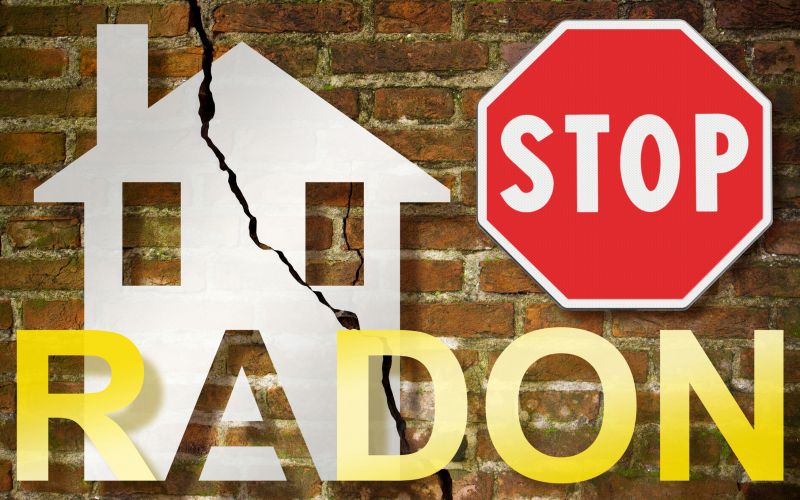
Testing And Prevention
Regular radon testing is essential to ensure safe indoor air quality in residential and commercial properties around chicago.
Radon Remediation in Chicago, IL

Radon remediation services focus on reducing elevated radon levels inside residential properties, helping to create a safer indoor environment. These projects typically involve installing specialized venting systems and barriers designed to prevent radon gas from accumulating in basements, crawl spaces, and living areas. Homeowners often seek this service after radon testing indicates levels above recommended thresholds, aiming to lower health risks associated with long-term radon exposure.
Before requesting radon remediation, property owners usually want to understand the scope of work involved, including the type of mitigation system recommended and the expected impact on indoor air quality. It’s also common to inquire about the process for testing radon levels before and after remediation, as well as any maintenance requirements for the installed systems. Clear information about these aspects can help homeowners make informed decisions about improving indoor safety.
Many property owners in Chicago, IL look into Radon Remediation for repairs, replacements, upgrades, and appearance-related improvements.
Common Radon Remediation Jobs
Radon testing - identifying elevated radon levels inside residential and commercial properties.
Radon mitigation systems - installing ventilation solutions to reduce radon concentrations.
Foundation sealing - sealing cracks and openings to prevent radon entry.
Sub-slab depressurization - creating negative pressure beneath the slab to vent radon outdoors.
Whole-house radon reduction - implementing comprehensive systems for consistent indoor air quality.
Radon system inspections - evaluating existing mitigation setups for optimal performance.
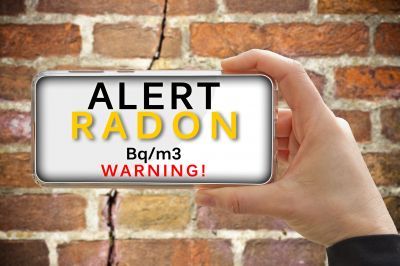
Radon Remediation Questions
What is radon remediation? Radon remediation involves reducing radon levels in a property to improve indoor air quality and safety.
When should a property owner consider radon mitigation? Radon mitigation is recommended if radon testing shows levels above the EPA action threshold.
What types of properties typically need radon remediation? Radon mitigation is common in homes, especially in basements and lower levels of residential buildings.
How does radon mitigation work? The process usually involves installing venting systems to safely redirect radon gas outside the building.
Request Radon Remediation in Chicago, IL
Use the quote form on this page to share the basics of your project and request more information for the type of work you need.